No products in the cart.
Introduction
Yoga is an ancient practice that originated in India thousands of years ago. It encompasses physical postures (asanas), breath control (pranayama), meditation, and ethical principles to promote holistic health and harmony between the mind, body, and spirit. While yoga has spiritual roots, many practitioners today embrace it primarily as a means of physical exercise and stress relief.
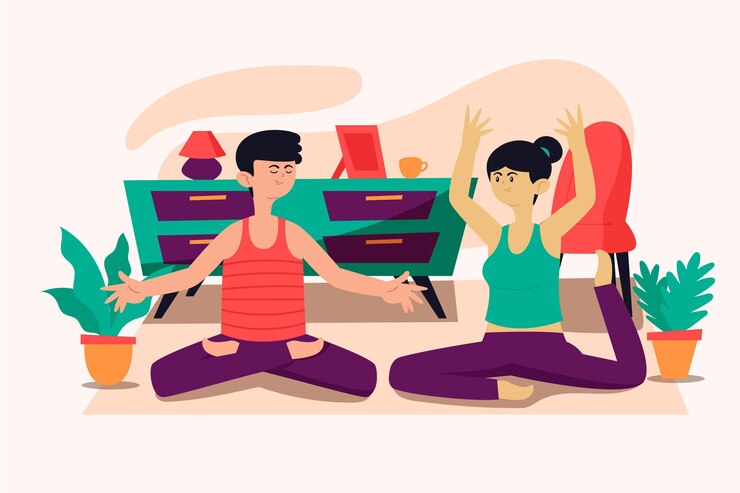
1. Improved Flexibility : Yoga postures help increase flexibility by stretching and lengthening muscles.
2. Enhanced Strength : Yoga builds strength in both major muscle groups and stabilises muscles, promoting overall physical stability.
3. Stress Reduction : Practicing yoga reduces cortisol levels, leading to a calmer mind and decreased stress levels.
4. Better Posture : Yoga improves body awareness and alignment, leading to better posture and reduced risk of back pain.
5. Increased Energy : Regular yoga practice boosts energy levels by promoting circulation and stimulating the body’s natural energy centres.

6. Improved Breathing : Yoga incorporates deep breathing techniques that enhance lung capacity and promote relaxation.
7. Mind-Body Connection : Yoga cultivates a deeper connection between mind and body, fostering mental clarity and emotional balance.
8. Enhanced Focus and Concentration : Yoga meditation techniques improve focus, concentration, and cognitive function.
9. Better Sleep : Yoga’s relaxation practices and stress reduction techniques can help improve sleep quality and alleviate insomnia.
Summary
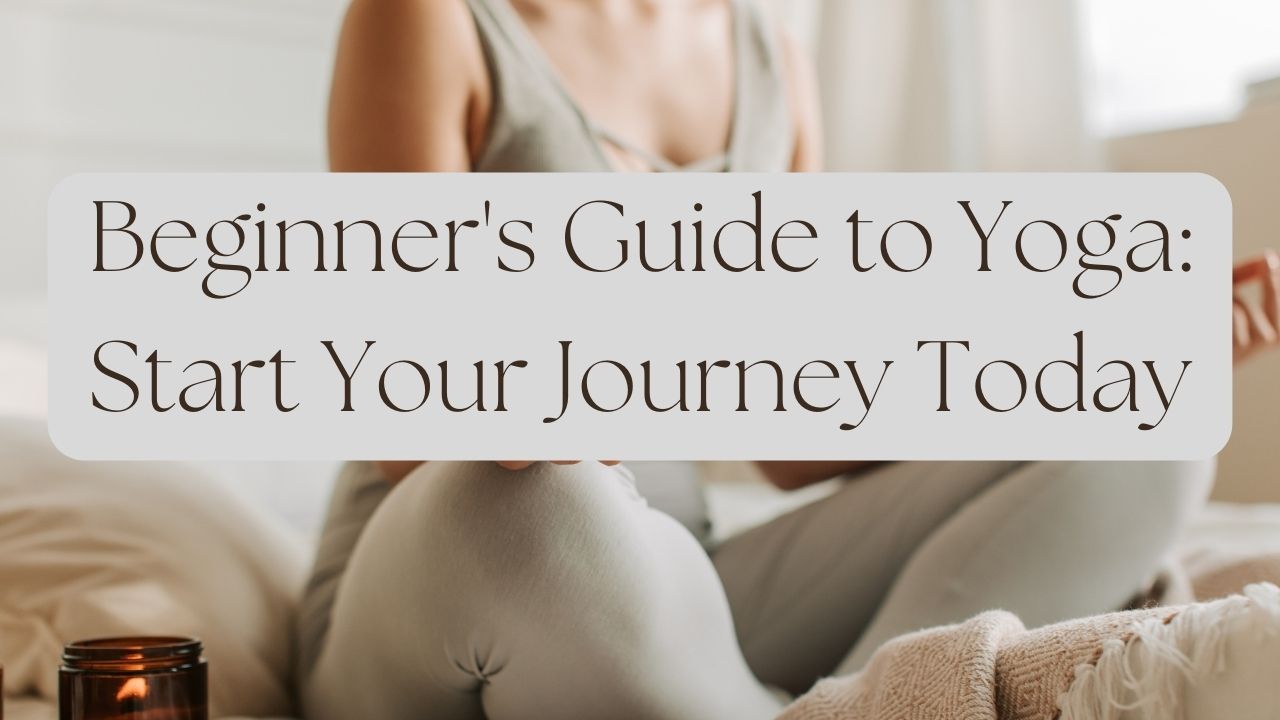
Embark on a transformative journey to wellness with the Beginner’s Guide to Yoga. This comprehensive blog serves as your roadmap to the world of yoga, offering insights, tips, and answers to common questions for newcomers.
FAQ`s
1. Do I Need to Be Flexible to Do Yoga?
A. Not! Yoga is for everyone, regardless of age, body type, or fitness level. You can start wherever you are and gradually build flexibility over time through consistent practice.
2. What Should I Wear to Yoga Class?
A. Choose comfortable, breathable clothing that allows for unrestricted movement. Avoid bulky or restrictive clothing that may impede your ability to stretch and move freely.
3. Do I Need Special Equipment?
A. Yoga typically requires minimal equipment. A non-slip yoga mat is recommended for stability during poses. Depending on the style of yoga, props such as blocks, straps, or bolsters may be used to support alignment and deepen stretches.