
No products in the cart.


Introduction
In a world where sedentary lifestyles are becoming increasingly common, regular exercise remains one of the most powerful tools for improving both physical and mental well-being. While many people are aware of the more obvious benefits of exercise, such as weight management and improved cardiovascular health, numerous other advantages may come as a surprise. From boosting mood to enhancing cognitive function, the benefits of regular physical activity extend far beyond the gym.
Improved Sleep Quality

- Regular exercise helps you fall asleep faster.
- Exercise promotes deeper, more restorative sleep.
- Physical activity increases body temperature, aiding relaxation for better sleep.
- Quality sleep is crucial for overall health and well-being.
- Consistent exercise contributes to a more consistent sleep schedule
Stress Reduction
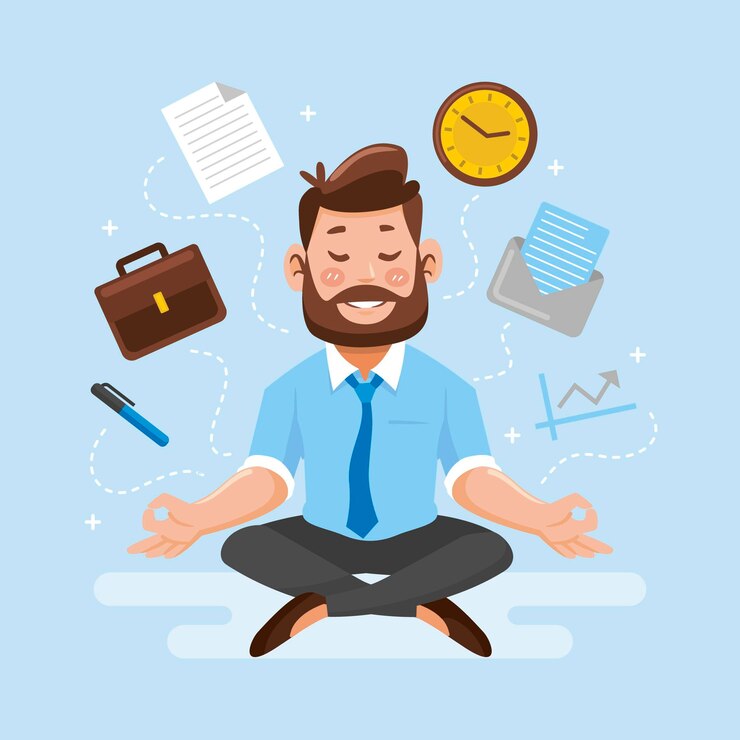
- Exercise lowers levels of stress hormones like cortisol.
- Physical activity promotes the release of endorphins, reducing stress and anxiety.
- Engaging in regular exercise provides a healthy outlet for managing stress.
- Various forms of exercise, from yoga to running, can help alleviate tension and promote relaxation.
- Incorporating exercise into your routine can lead to long-term resilience against stress.
Boosted Immune Function

- Exercise increases circulation, helping immune cells move through the body more efficiently.
- Regular physical activity can reduce inflammation, which is linked to improved immune function.
- Exercise flushes bacteria out of the lungs and airways, reducing the risk of respiratory infections.
- Physical activity promotes the production of white blood cells, enhancing the body’s ability to fight off infections.
- Consistent exercise strengthens the immune system, reducing the likelihood of illness.
Increased Energy Levels
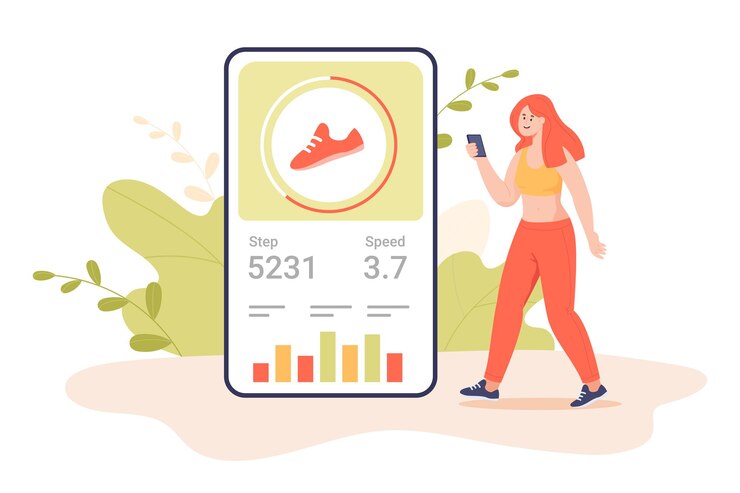
- Regular exercise improves cardiovascular health, boosting overall stamina and vitality.
- Physical activity enhances muscle strength and endurance, leading to increased energy levels.
- Exercise stimulates the release of endorphins, providing a natural energy boost and reducing fatigue.
- Engaging in regular physical activity can improve sleep quality, leading to more restful sleep and increased daytime energy.
- Consistent exercise helps regulate blood sugar levels, preventing energy crashes throughout the day.
Improved Self-Esteem

- Achieving fitness goals through regular exercise boosts feelings of accomplishment and self-worth.
- Physical activity enhances body image and confidence by improving physical fitness and appearance.
- Engaging in exercise provides a sense of mastery and control, contributing to higher self-esteem.
- Regular exercise fosters a positive self-image and self-acceptance, leading to greater overall confidence.
- The sense of empowerment gained from exercise carries over into other areas of life, further enhancing self-esteem.
Enhanced Creativity

- Exercise stimulates the release of neurotransmitters associated with creativity, such as dopamine and endorphins.
- Physical activity encourages divergent thinking and novel problem-solving approaches, fostering creativity.
- Engaging in exercise can inspire new ideas and perspectives by providing a change of scenery and mental stimulation.
- Regular physical activity has been shown to improve cognitive flexibility, allowing for more innovative thinking.
- Incorporating exercise breaks into your routine can help overcome mental blocks and enhance creative output.
Summary
In conclusion, the benefits of regular exercise extend far beyond the physical realm, encompassing mental, emotional, and social well-being as well. By making physical activity a priority in your life, you can experience a multitude of surprising benefits that enhance every aspect of your health and happiness. So lace up your sneakers, grab your workout gear, and reap the rewards of a more active lifestyle starting today. Your body and mind will thank you for it.
FAQs:
1. How much exercise do I need to experience these benefits?
A. While any amount of exercise is beneficial, aim for at least 120 minutes of moderate-intensity aerobic activity or 35 minutes of vigorous-intensity aerobic activity per week, along with muscle-strengthening activities on two or more days per week.
2. I’m not a morning person. Can I still exercise in the evening and sleep well?
A. Yes, you can exercise at any time of day that suits your schedule. While some people prefer morning workouts, exercising in the evening can also be effective for improving sleep quality, as long as it doesn’t interfere with your ability to fall asleep.
3. I have a busy schedule. How can I find time to exercise?
A. Look for opportunities to incorporate physical activity into your daily routine, such as taking the stairs instead of the elevator, walking or biking to work, or scheduling short workout sessions during breaks. Consistency is key, so even small amounts of exercise can add up over time.